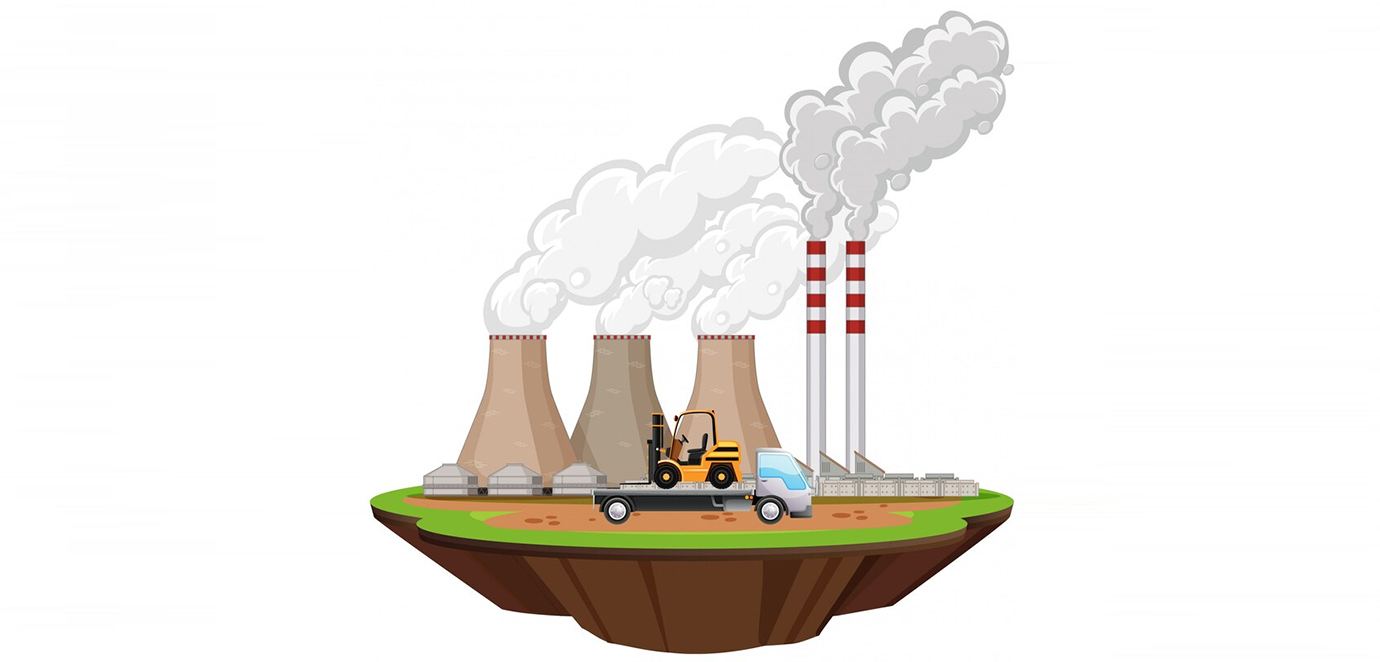
Fossil Fuels Fossil fuels are derived from ancient organic matter, such as plants and animals,
that
has
undergone geological processes over millions of years. Common fossil fuels include coal, oil,
and
natural gas.
Alternative Energy Sources: Alternative energy sources are derived from renewable or
non-depleting
resources, such as sunlight, wind, water, and geothermal heat. Examples include solar power,
wind
energy, hydropower, and geothermal energy.
Environmental Impact
Fossil Fuels: The extraction, production, and combustion of fossil fuels release greenhouse
gases and air pollutants that
contribute to climate change and air pollution. Fossil fuel extraction can also lead to
environmental
degradation.
Alternative Energy Sources: Alternative energy sources are generally considered environmentally
friendly. They produce little to no greenhouse gas emissions during energy generation and have a
lower
impact on air and water quality. However, there may be environmental concerns associated with
the
manufacturing and disposal of some renewable energy technologies.
Fossil Fuels: Fossil fuels are finite resources, and their availability is limited. As they
are
depleted, their extraction becomes more challenging and expensive. Fossil fuels are not
sustainable
in
the long term.
Alternative Energy Sources: Alternative energy sources are considered sustainable because
they
are
naturally replenished. Solar, wind, hydropower, and geothermal energy sources are not
depleted
when
used
for electricity generation.
Fossil Fuels: Many countries are dependent on imported fossil fuels, which can have economic
and
geopolitical implications. Prices of fossil fuels can also be subject to global market
fluctuations.
Alternative Energy Sources: Utilizing alternative energy sources can enhance energy
independence
by
harnessing locally available resources, reducing reliance on fossil fuel imports, and
stabilizing
energy
costs.
Technological Advancements
Fossil Fuels: Fossil fuel technologies have been refined over many years, but they face
challenges
related to environmental concerns and finite supply.
Alternative Energy Sources: Advances in technology continue to improve the efficiency and
affordability
of renewable energy technologies, making them increasingly competitive with fossil fuels.
Fossil Fuels: Transitioning away from fossil fuels can pose economic challenges,
particularly in
regions
where these industries are a significant source of jobs and revenue.
Alternative Energy Sources: Transitioning to alternative energy sources often requires
substantial
upfront investments in infrastructure and technology, but it offers long-term benefits in
terms
of
sustainability and reduced environmental impact.
Policy and Incentives
Fossil Fuels: Many governments provide subsidies to the fossil fuel industry, which can
impact
market
dynamics and slow the transition to alternative energy sources.
Alternative Energy Sources: Governments often implement policies and incentives to promote
the
adoption
of renewable energy, including tax credits, feed-in tariffs, and renewable energy mandates.
Fossil Fuels: Fossil fuels can be stored easily in various forms for later use.
Alternative Energy Sources: Energy storage technologies are crucial for
storing
and
distributing electricity from renewable sources, as they are intermittent and dependent on
weather
conditions. Advances in energy storage are essential for the widespread adoption of
alternative
energy
sources.