
Call Us
+1 587 900 0325
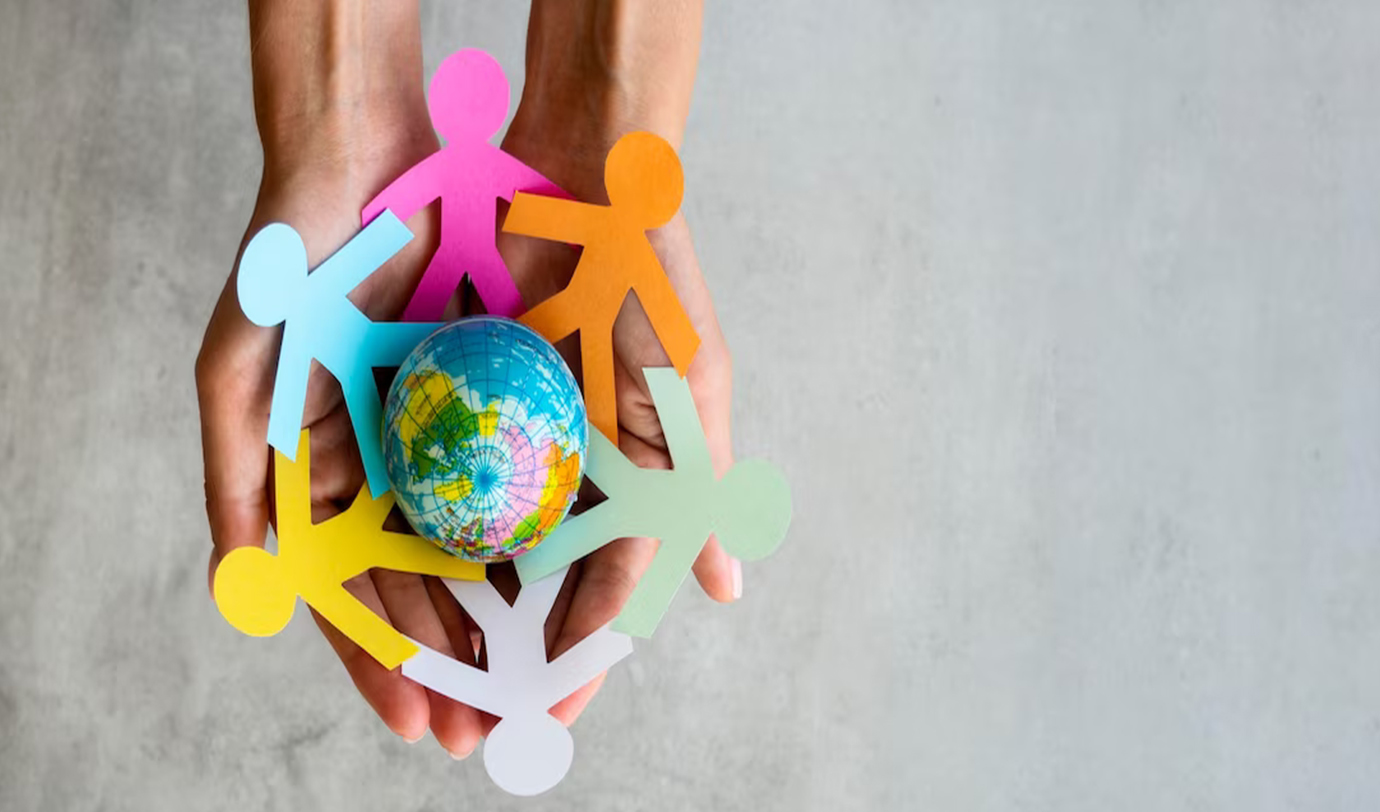
Social development is a multifaceted process that encompasses the improvement of human well-being, equity, and quality of life within societies. It goes beyond economic growth, addressing the broader needs and aspirations of individuals and communities.
Key components of social development include access to healthcare, education, housing, and social services, as well as the promotion of social justice, inclusion, and human rights. Sustainable social development seeks to ensure that the benefits of progress are shared equitably, leaving no one behind.
It involves fostering strong, resilient communities and addressing the root causes of societal challenges, from poverty and inequality to discrimination and violence.
By prioritizing social development, societies can create environments where individuals have the opportunity to reach their full potential, fostering a more just and prosperous world for all.
Social development is intricately linked to human dignity and the realization of fundamental rights and freedoms. It places people at the center of development efforts, emphasizing their well-being and empowerment.
A crucial aspect of social development is the reduction of poverty and the alleviation of social inequalities.
This involves not only improving access to basic services like education and healthcare but also creating economic opportunities and social safety nets to protect the most vulnerable members of society.
In addition, social development recognizes the importance of fostering social cohesion and community resilience. Strong social bonds and a sense of belonging contribute to the overall stability and progress of societies.
Achieving social development goals requires collaboration among governments, civil society organizations, and the private sector, working together to implement policies and initiatives that promote fairness, equity, and sustainability.
It's a continuous journey that reflects our collective commitment to creating a world where every individual can lead a life of dignity and fulfillment.
Social development encompasses not only the material aspects of well-being but also the intangible elements that shape our lives.
It recognizes the importance of culture, identity, and social norms in fostering a sense of belonging and self-worth.
Cultural preservation and the promotion of diverse cultural expressions are integral to social development, as they enrich our shared human experience. Moreover, social development acknowledges the role of civil society and grassroots initiatives in driving positive change.
Communities and individuals often play a vital part in identifying local needs and crafting solutions that are culturally sensitive and contextually relevant.
In an increasingly interconnected world, the concept of social development also extends beyond national boundaries, as global challenges like climate change, health pandemics, and refugee crises require international cooperation and solidarity.
By prioritizing social development, societies can work towards creating not only prosperous and healthy communities but also inclusive and resilient ones that promote human dignity, diversity, and cooperation on a global scale.