
Call Us
+1 587 900 0325
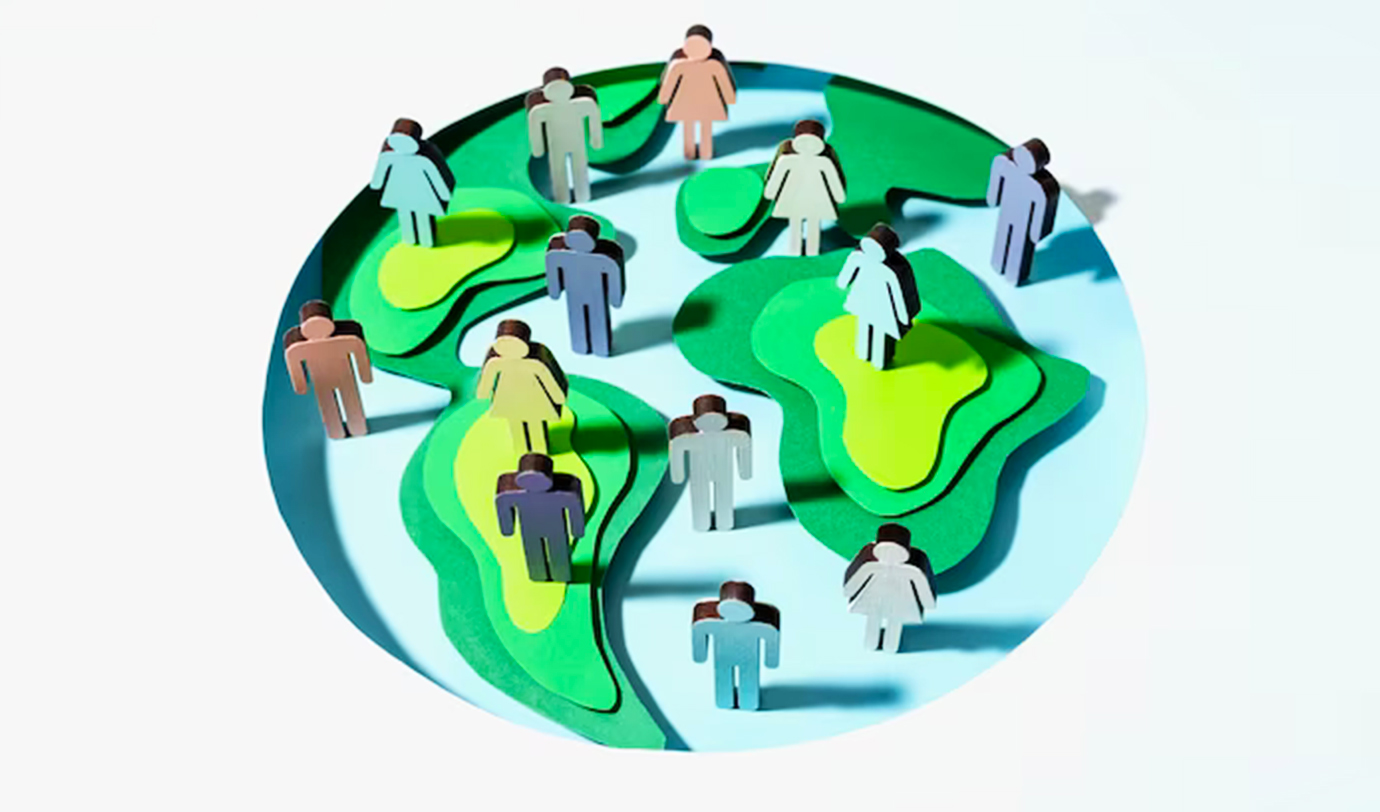
The process of transforming society is a dynamic interplay of various forces, innovations, and aspirations that shape the way we live, interact, and organize ourselves as a collective.
Technology, one of the most potent catalysts for change, has revolutionized communication, healthcare, and economies, breaking down geographic barriers and fostering interconnectedness.
Advances in artificial intelligence, robotics, and biotechnology promise to further reshape industries and labor markets.
Additionally, societal transformation involves confronting pressing issues like climate change and social inequality, demanding a concerted effort to implement sustainable practices, equitable policies, and inclusive systems.
It is a journey that calls for collaboration, adaptability, and ethical considerations as we navigate the complexities of a rapidly changing world. By recognizing the potential and challenges of societal transformation, we can work toward building a more resilient, just, and sustainable future for all.
Transforming society is an intricate process driven by a multitude of factors and accompanied by profound implications.
Technology stands as a primary catalyst, with innovations in artificial intelligence, biotechnology, and renewable energy reshaping industries and daily life. This technological revolution has brought about unprecedented connectivity, transforming the way we communicate, work, and access information.
Simultaneously, societal transformation entails addressing systemic issues, such as social justice, climate change, and global health, necessitating collective action and progressive policies.
As we navigate these changes, it is crucial to consider the ethical, economic, and environmental consequences.
Striking a balance between innovation and responsible stewardship is key to ensuring that the transformation of society leads to a more equitable, sustainable, and inclusive world for future generations.
At the heart of transforming society lies the recognition of the power of ideas, collaboration, and collective action.
Movements for social change, driven by the aspirations of individuals and communities, have played a pivotal role in shaping the course of history. These movements seek to dismantle oppressive systems, challenge discriminatory norms, and champion human rights. Moreover, transforming society involves reimagining the very foundations of governance, education, and the workplace.
The shift towards more inclusive and participatory decision-making processes, along with the integration of sustainability principles, is reshaping our institutions.
Educational paradigms are evolving to equip individuals with the skills and knowledge needed for a rapidly changing world.
As we continue to navigate the complexities of societal transformation, it is essential to foster open dialogues, encourage innovation, and embrace diversity of thought, ensuring that the changes we implement reflect our collective values and aspirations for a brighter, more equitable future.