
Call Us
+1 587 900 0325
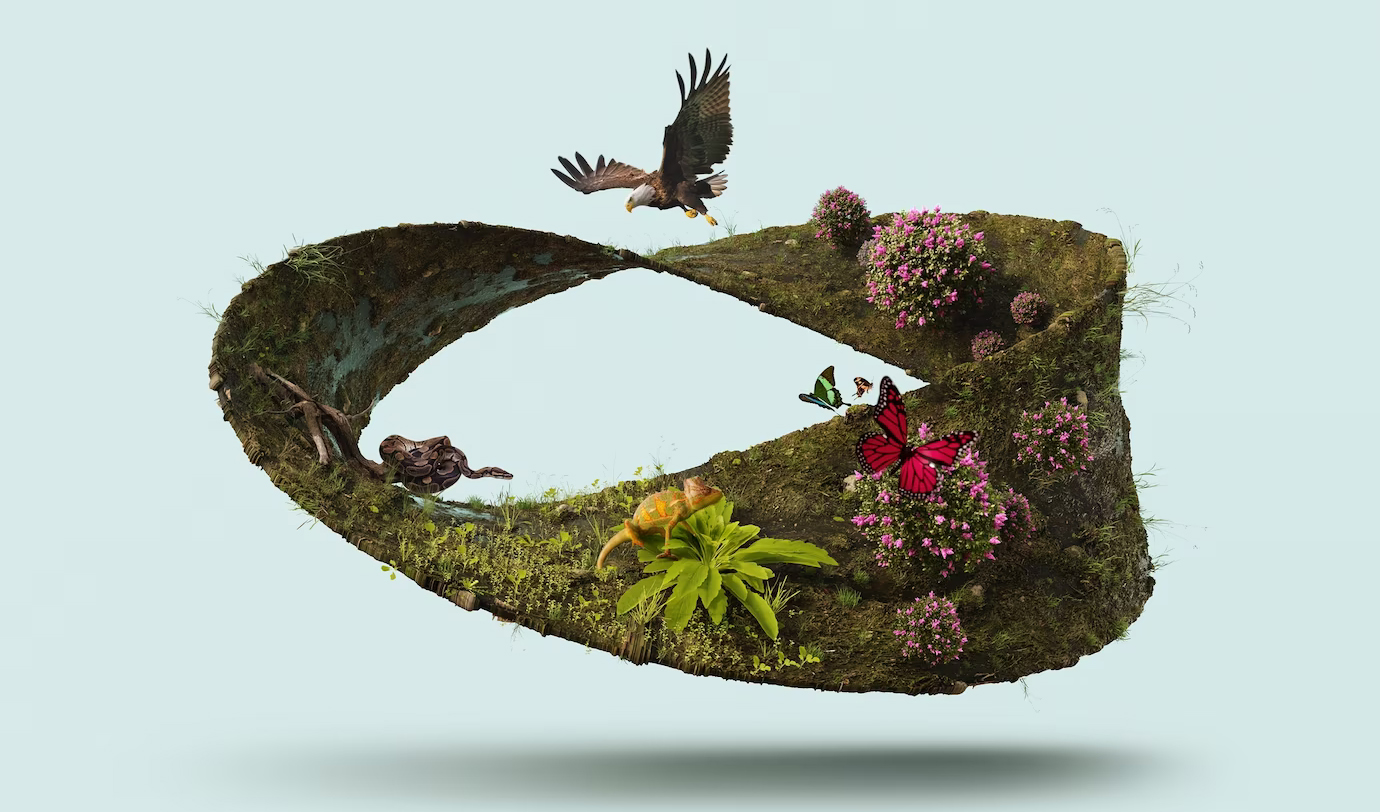
Biodiversity, the intricate web of life encompassing the myriad of species, ecosystems, and genetic diversity on our planet, holds profound significance for the well-being of both nature and humanity. Its value is multifaceted, ranging from ecological stability and resilience to cultural and economic contributions.
Biodiversity supports essential ecosystem services, such as pollination of crops, water purification, and climate regulation, underpinning our food security, clean water sources, and climate stability. Moreover, it provides cultural and aesthetic inspiration, offering spiritual and recreational benefits.
Economically, biodiversity contributes significantly through sectors like agriculture, pharmaceuticals, and tourism. However, human activities, such as habitat destruction, overexploitation, and climate change, are driving unprecedented rates of species extinction, threatening the delicate balance of life on Earth.
Recognizing the vital importance of biodiversity is the first step toward its conservation and sustainable coexistence with nature, safeguarding our planet's health for generations to come.
Beyond its immediate benefits, biodiversity plays a critical role in scientific research and innovation. Many of our most significant breakthroughs in medicine, agriculture, and industry have been inspired by the diverse array of life forms on Earth.
Biodiversity serves as a treasure trove of genetic resources, offering potential solutions to current and future challenges, such as finding new medications, developing resilient crop varieties, and creating sustainable materials.
Moreover, diverse ecosystems are more adaptable and resistant to disturbances, making them better equipped to withstand environmental changes and provide long-term stability.
Preserving biodiversity is not merely an ethical responsibility but a pragmatic necessity for human survival. As we deepen our understanding of the interconnectedness of life, we come to appreciate the vital role that biodiversity plays in shaping our world and sustaining the delicate balance of ecosystems upon which we depend.
Biodiversity also contributes to the resilience and adaptability of ecosystems in the face of challenges like disease outbreaks and environmental shifts.
A diverse array of species within an ecosystem ensures that if one species is affected by disease or environmental change, others may be more resistant and can fill ecological niches, preventing ecosystem collapse. T
his ecological resilience is crucial for maintaining ecosystem services that support human livelihoods, including food production, clean water, and climate regulation.
Moreover, biodiversity enhances cultural diversity, as many indigenous and local communities around the world rely on traditional knowledge linked to the biodiversity of their regions. Therefore, the conservation of biodiversity is not only an environmental imperative but also a matter of global health, social equity, and economic stability. Recognizing its vital importance and taking concerted actions to protect and restore biodiversity is essential for the well-being of our planet and future generations.